Introduction
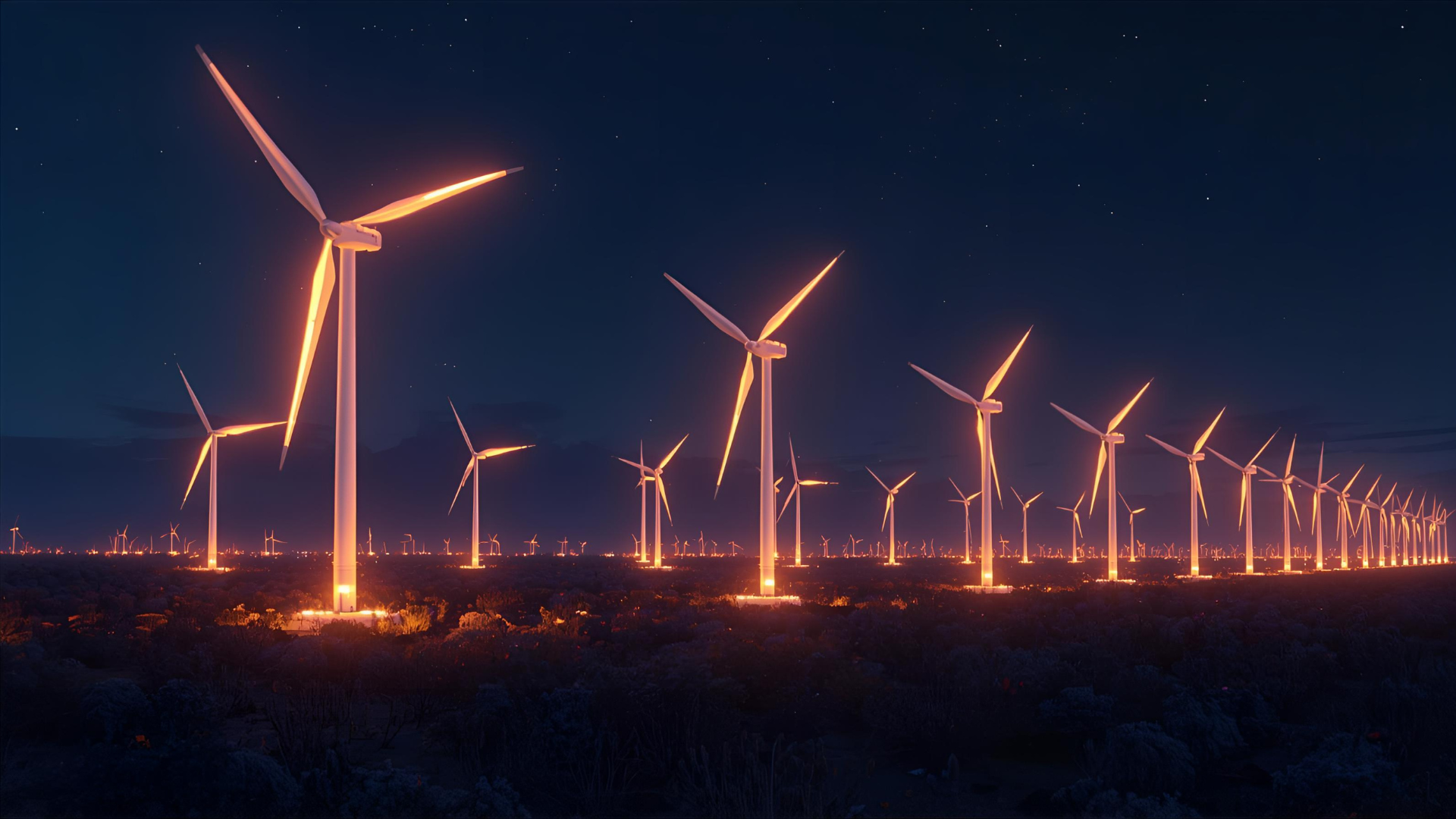
Wind energy is more than just giant turbines spinning in open fields—it’s a clean, renewable powerhouse that’s changing the way we think about electricity. As climate change accelerates and fossil fuels become increasingly unsustainable, wind energy has emerged as one of the most reliable and eco-friendly solutions. In this article, we’ll dive deep into the pros of wind energy, revealing why this form of power is not just smart, but essential for a sustainable future.
Clean and Renewable Power
One of the biggest pros of wind energy is that it’s completely clean and renewable. Wind turbines produce electricity without burning fossil fuels, which means no greenhouse gases, no air pollutants, and no toxic byproducts. Unlike coal or oil, wind is endless; as long as the sun heats the Earth, winds will blow, providing a continuous, sustainable energy supply. By choosing wind energy, we reduce our reliance on finite resources and take a significant step toward protecting the planet for generations to come.
Cuts Greenhouse Gas Emissions
Wind energy is a hero in the fight against climate change. Traditional power plants pump carbon dioxide and other harmful gases into the atmosphere, contributing to global warming and air pollution. Wind turbines generate power without any emissions during operation, which drastically reduces the carbon footprint of energy production. For individuals, businesses, and governments seeking to meet environmental goals, wind energy is a simple yet powerful way to reduce greenhouse gas emissions while maintaining energy security.
Low Operational Costs
While installing wind turbines can require upfront investment, the long-term costs are extremely low. Once a turbine is built, wind energy requires minimal maintenance, and the fuel—wind—is free. Unlike fossil fuel plants that constantly need coal, oil, or gas, wind energy can generate electricity almost indefinitely at minimal cost. This makes wind energy a smart economic choice for countries, communities, and homeowners looking for long-term energy savings.
Creates Jobs and Boosts Local Economies
Investing in wind energy doesn’t just protect the planet—it also strengthens communities. From manufacturing and construction to maintenance and operations, wind energy projects create thousands of jobs worldwide. Local governments benefit from tax revenue, and small towns often see infrastructure improvements linked to wind farm projects. These economic benefits make wind energy not just environmentally smart, but socially and economically valuable as well.
Energy Independence and Security
Relying on imported fossil fuels can leave countries vulnerable to price fluctuations and supply disruptions. One of the key pros of wind energy is that it’s generated domestically. By harnessing local wind resources, countries can reduce dependence on foreign energy, improve energy security, and stabilize electricity costs. This independence ensures that households and businesses have a reliable source of energy no matter what happens in the global oil or gas markets.
Scalable and Versatile
Wind energy is incredibly versatile. Small turbines can power individual homes, while large-scale wind farms can supply electricity to entire cities. Turbines can be installed on land or offshore, in remote areas or near urban centers. Technological advancements mean even moderate wind speeds can now produce significant energy, making wind power feasible in more regions than ever before.
Minimal Water Use
Unlike coal or nuclear plants, which require vast amounts of water for cooling, wind energy needs almost no water to generate electricity. This makes wind energy especially valuable in drought-prone or water-scarce areas. By using wind power, communities can save precious water resources while producing clean electricity, making it a sustainable choice in every sense.
Long-Term Sustainability
The pros of wind energy go beyond immediate benefits. Wind power is sustainable over the long term because it does not deplete natural resources or produce long-lasting environmental damage. Unlike fossil fuels, which are finite and polluting, wind energy offers a renewable, eco-friendly solution that will continue to generate electricity for decades, ensuring a cleaner and more resilient energy future.
Quiet, Low-Impact Modern Turbines
Early wind turbines were often criticized for being noisy or visually intrusive. Today, turbines are designed to be quieter and more visually appealing. Proper site selection and improved turbine technology minimize both noise and visual impact, making modern wind energy projects much more community-friendly without compromising efficiency or energy output.
Supports Grid Reliability
Distributed wind farms help stabilize electrical grids. By spreading turbines across regions, wind farms balance variations in wind speeds and reduce the risk of power shortages. When paired with energy storage solutions or complementary renewables like solar, wind energy ensures a consistent and reliable power supply for homes and businesses, even during peak demand periods.
Drives Innovation and Technology
The growth of wind energy drives innovation. Engineers and scientists continuously improve turbine efficiency, explore smarter materials, and develop advanced monitoring technologies. These advancements not only make wind energy more effective but also stimulate growth in related industries, from AI-powered grid management to new energy storage solutions. Investing in wind energy fuels progress on multiple technological fronts.
Community Engagement and Benefits
Wind energy projects often benefit local communities directly. Towns with wind farms may receive financial compensation, local jobs, and educational opportunities related to renewable energy. These projects encourage people to engage with sustainable practices, fostering a culture of environmental stewardship and economic participation.
FAQs About the Pros of Wind Energy
Q1: Is wind energy reliable year-round?
Yes. While wind speeds vary, distributed wind farms and technological improvements ensure consistent energy supply throughout the year.
Q2: Does wind energy harm the environment?
Wind energy is one of the cleanest forms of power. It has minimal impact on the environment when turbines are properly sited to protect wildlife and natural habitats.
Q3: Can wind energy fully replace fossil fuels?
Wind energy alone cannot meet 100% of energy needs in every region, but when combined with solar, hydro, and storage systems, it can replace a significant portion of fossil fuel consumption.
Q4: Are wind turbines noisy?
Modern turbines are much quieter than older models, with operational sounds that are generally unobtrusive when installed in appropriate locations.
Q5: What are the long-term costs of wind energy?
Initial installation can be expensive, but maintenance costs are low and the fuel—wind—is free, making it highly cost-effective over time.
Conclusion
The pros of wind energy are undeniable. It’s clean, renewable, cost-effective, and sustainable, while also creating jobs, driving innovation, and promoting energy independence. Wind energy reduces greenhouse gas emissions, conserves water, supports grid reliability, and benefits communities directly. By embracing wind power, we are investing in a greener, more resilient, and economically sound future. It’s more than just a source of electricity—it’s a choice that protects the planet, strengthens communities, and ensures sustainable energy for generations to come. Wind energy isn’t just an option; it’s the smart, responsible choice for a brighter tomorrow.