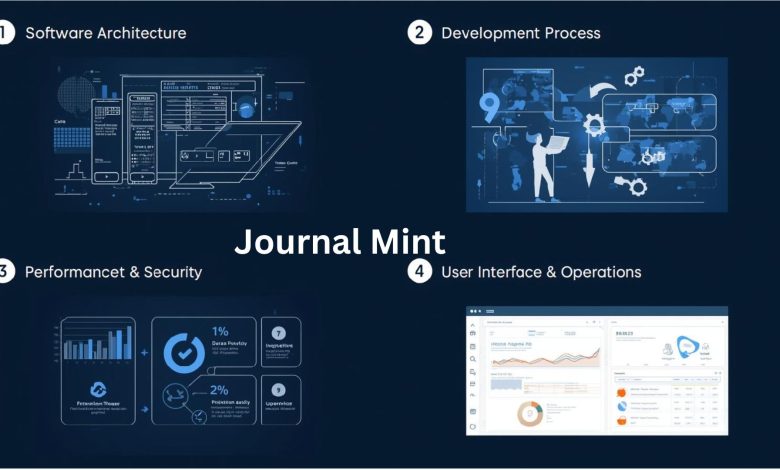
Introduction
How HCS 411GITS software built has become a topic of growing interest for businesses and technical teams looking to understand structured, performance-driven software development. This article explains how HCS 411GITS software built from the earliest planning phase to a fully operational system, focusing on architecture, workflows, security, scalability, and execution. Rather than telling a personal or emotional story, this breakdown concentrates on the technical and strategic logic behind the build process. Every stage of how HCS 411GITS software built followed intentional decisions designed to reduce risk, improve efficiency, and support long-term growth.
Strategic Planning and Core Objectives
The first step in how HCS 411GITS software built was defining clear operational objectives. Instead of starting with features, the team focused on what the system must accomplish under real-world conditions. Performance thresholds, reliability expectations, data handling requirements, and user interaction goals were documented in detail. This planning stage ensured that how HCS 411GITS software built would remain aligned with measurable outcomes rather than vague ideas. By setting boundaries early, development remained focused and controlled.
Requirements Analysis and Functional Definition
Requirements analysis played a major role in how HCS 411GITS software built its structure. Each function was carefully defined and mapped to a specific business or operational requirement. This prevented feature overload and eliminated unnecessary complexity. Functional definition also helped create predictable workflows, making the system easier to maintain and extend. How HCS 411GITS software built its requirements framework ensured that every component served a clear purpose.
System Architecture Design
Architecture was the backbone of how HCS 411GITS software built achieved stability. A modular architecture was chosen to isolate system components and reduce interdependencies. This allowed individual modules to be updated or replaced without disrupting the entire system. Clear communication protocols between modules improved fault tolerance and system resilience. How HCS 411GITS software built its architecture made scalability and maintenance practical rather than costly.
Technology Stack Selection
Selecting the technology stack was a critical decision in how HCS 411GITS software built its performance capabilities. Technologies were chosen based on stability, security, efficiency, and long-term support rather than popularity. Lightweight frameworks and optimized backend technologies ensured fast processing and low resource consumption. This approach allowed the system to perform consistently under load. How HCS 411GITS software built its stack reflects a preference for reliability over experimentation.
Database Design and Data Management
Data structure design influenced how HCS 411GITS software built its reliability and accuracy. Normalized data models reduced redundancy and improved consistency. Indexing strategies and optimized queries ensured fast data retrieval even at scale. Data validation rules were applied at multiple levels to prevent corruption. How HCS 411GITS software built its data layer ensured integrity, speed, and traceability.
Workflow Automation and Logic Control
Workflow engineering defined how HCS 411GITS software built operational efficiency. Automated processes replaced repetitive tasks while maintaining checkpoints for validation and control. Business logic was centralized to reduce duplication and inconsistency. This structure improved system predictability and reduced error rates. How HCS 411GITS software built its workflows balanced automation with oversight.
Development Methodology
The development phase of how HCS 411GITS software built followed an iterative and controlled methodology. Features were developed in short cycles, tested, and refined before moving forward. Coding standards ensured consistency across the system. Version control tracked every change, enabling accountability and rollback when needed. How HCS 411GITS software built its development process minimized technical debt and instability.
Performance Engineering
Performance optimization was not postponed until the end of how HCS 411GITS software built. Load handling, response times, and resource usage were evaluated continuously. Caching mechanisms and efficient algorithms reduced processing overhead. The system was tested under simulated peak conditions to identify bottlenecks early. How HCS 411GITS software built its performance model supports sustained usage without degradation.
Security Framework and Access Control
Security architecture was embedded into how HCS 411GITS software built from the beginning. Role-based access control limited exposure of sensitive functions. Encryption protected data at rest and in transit. Logging and monitoring tools tracked system activity for auditing and threat detection. How HCS 411GITS software built its security framework reduced vulnerabilities and strengthened trust.
Testing and Quality Assurance
Testing was a continuous process in how HCS 411GITS software built. Unit tests verified individual components, while integration tests ensured modules worked together correctly. Edge cases and failure scenarios were actively tested. This proactive quality assurance reduced post-deployment issues. How HCS 411GITS software built its testing strategy ensured system reliability.
Deployment and Release Management
Deployment planning influenced how HCS 411GITS software built its stability during updates. Controlled release pipelines minimized downtime and deployment risk. Version tagging and rollback mechanisms allowed safe updates. This structured approach ensured predictable releases. How HCS 411GITS software built its deployment process supported ongoing improvements without disruption.
Monitoring and System Analytics
Monitoring tools were integrated into how HCS 411GITS software built its operational oversight. Performance metrics, error logs, and system health indicators provided real-time visibility. Analytics data guided optimization decisions and capacity planning. How HCS 411GITS software built its monitoring layer enabled proactive system management.
Scalability and Growth Readiness
Scalability was a core requirement in how HCS 411GITS software built. The system was designed to scale horizontally and vertically as demand increased. Modular architecture allowed new features to be introduced without destabilizing existing components. How HCS 411GITS software built its scalability strategy supports long-term expansion.
User Experience and Interface Logic
User interaction design influenced how HCS 411GITS software built adoption efficiency. Interfaces were designed to reduce steps and eliminate ambiguity. Clear navigation and responsive layouts improved usability across devices. How HCS 411GITS software built its interface logic increased productivity and reduced training time.

Maintenance and Lifecycle Strategy
Long-term maintenance planning shaped how HCS 411GITS software built its lifecycle management. Scheduled updates, documentation standards, and support procedures ensured sustainability. Maintenance workflows minimized downtime and preserved system performance. How HCS 411GITS software built its lifecycle strategy supports continuous operation.
FAQs
Conclusion
How HCS 411GITS software built demonstrates a disciplined approach to modern software engineering. By prioritizing architecture, performance, security, and scalability, the system delivers long-term reliability. Each phase, from planning to maintenance, followed intentional design principles. Understanding how HCS 411GITS software built provides insight into building software that performs consistently in demanding environments