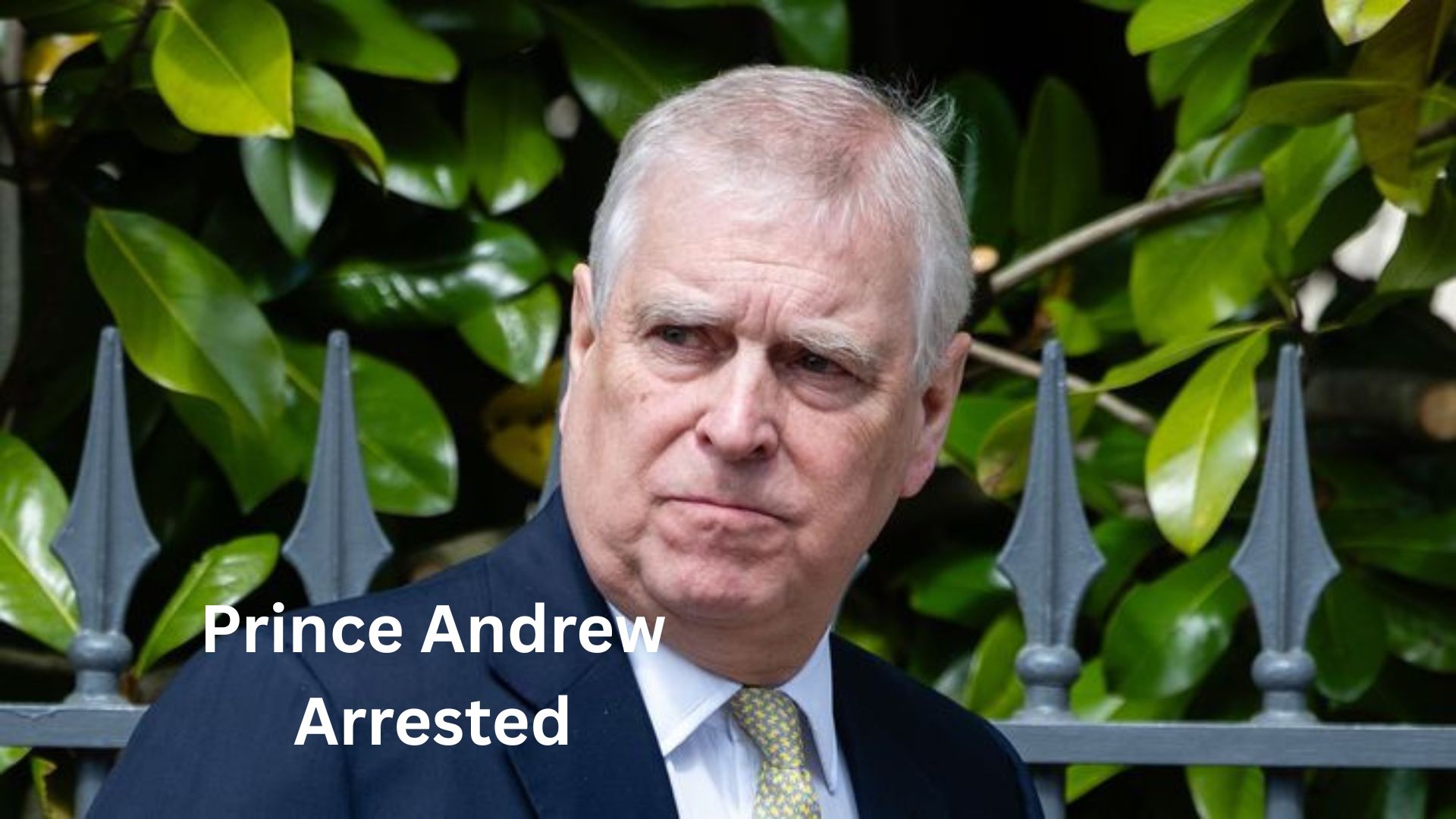
Prince Andrew Arrested: Breaking News, Inside Story, Legal Drama and What’s Next

Table of Contents
ToggleIntroduction
Prince Andrew arrested — those words alone have shaken Britain and sparked intense global attention. In a development few imagined would ever happen to a senior royal figure, Andrew Mountbatten-Windsor, formerly known as the Duke of York, was taken into police custody as part of an ongoing criminal investigation. For years, controversy surrounded his associations and past conduct. Now, the legal system has stepped in directly. This is no longer about speculation, interviews, or reputational damage. This is about criminal process, evidence, and accountability. For many watching at home, it feels surreal. A man born into immense privilege, raised inside palaces, and once central to international diplomacy is now facing the same legal procedures as any other citizen. The story is still unfolding, but what we know already is historic.
What Happened: The Arrest Explained
On February 19, 2026, police officers arrested Prince Andrew at his residence in Norfolk as part of an investigation into alleged misconduct in public office. Authorities confirmed that officers executed search warrants at multiple locations and detained a man in his 60s in connection with the inquiry. The arrest occurred on his 66th birthday, adding an unexpected twist to an already extraordinary situation. Investigators are examining whether confidential or sensitive information may have been improperly handled during Andrew’s time serving as a UK trade envoy. At this stage, police have emphasized that the investigation is active and ongoing. An arrest does not mean guilt, but it does signal that authorities believe there are sufficient grounds for formal questioning under criminal law.
Why Prince Andrew Arrested Is So Significant
The arrest of a senior royal — even one who stepped back from public duties years ago — is almost unprecedented in modern British history. The British royal family has long been associated with ceremony, continuity, and public service. While individual scandals have occurred over decades, criminal arrest is a far more serious threshold. The concept of equality before the law is central to democratic societies, and this moment reinforces that even members of a royal household are not immune from investigation. Public reaction has ranged from shock to a sense that accountability was overdue. Regardless of opinion, the significance is undeniable.
The Epstein Connection and Long-Running Scrutiny
Andrew’s legal troubles cannot be understood without revisiting his association with Jeffrey Epstein. That relationship, first widely scrutinized in 2019, led to Andrew stepping back from official royal duties. Over time, new documents and renewed investigative interest brought fresh attention to past interactions. Allegations involving Virginia Giuffre resulted in a civil case that Andrew settled without admitting liability. Although he has consistently denied wrongdoing, questions about judgment, transparency, and potential legal exposure persisted. The current arrest appears tied not directly to prior civil allegations but to possible misconduct connected to his former public role and information handling. However, the broader context has undeniably shaped public perception.
What Is Misconduct in Public Office?
Misconduct in public office is a serious offense under UK law. It typically applies when someone in an official capacity abuses their position in a way that damages public trust. Prosecutors must show that the individual willfully neglected duties or acted improperly while holding office. During his time as a UK trade envoy, Andrew represented British commercial interests abroad. Investigators are reportedly examining whether sensitive information was improperly shared or mishandled. These are complex legal questions requiring careful evidence review. If charges are eventually filed, the prosecution would need to prove intentional wrongdoing beyond reasonable doubt.
What Happens After Prince Andrew Arrested?
Following an arrest in the UK, police may hold a suspect for questioning for up to 24 hours, extendable in serious cases. During that time, officers gather statements, review seized materials, and consult with prosecutors. After questioning, authorities may release the individual without charge, release on bail pending further investigation, or formally charge them. If charged, a court process begins — including preliminary hearings and potentially a trial. Legal experts note that high-profile investigations often take time due to the volume of documents and sensitivity involved. For now, Andrew remains entitled to the presumption of innocence.
Impact on the Royal Family
The fallout from Prince Andrew arrested extends beyond one individual. King Charles III and senior royal aides face renewed scrutiny about institutional oversight and accountability. Although Andrew withdrew from official duties in 2019 and later stopped using certain royal titles, he remains a member of the family. The monarchy’s strength relies heavily on public confidence. Even when personal matters arise, they inevitably reflect on the institution. The palace has indicated it will cooperate fully with authorities, signaling a desire to avoid perceptions of interference or privilege.
Public Reaction Across the UK
In cities across Britain — from London to Manchester — conversations about the arrest have dominated news cycles and social media platforms. Some view it as a milestone moment for justice. Others urge caution, reminding people that an arrest is not a conviction. The emotional dimension is undeniable. For older generations who remember Andrew as a naval officer during the Falklands War or as a prominent trade representative, the news is jarring. For younger generations already skeptical of hereditary privilege, the arrest reinforces calls for modernization and reform.
International Attention
Globally, the development has generated intense interest. Allies and observers alike are watching how British authorities handle the case. Because Andrew’s former role involved international diplomacy and travel, questions about cross-border cooperation may arise. Legal analysts emphasize that any international components would require careful jurisdictional coordination. The broader message being examined worldwide is whether high-status individuals are subject to the same legal scrutiny as ordinary citizens.
Could Titles Be Affected?
Andrew previously relinquished active royal duties and ceased using the “His Royal Highness” style in official contexts. If formal charges proceed, additional measures regarding remaining honorary titles could be considered. Such decisions typically involve consultation between the monarch and Parliament. However, arrest alone does not automatically strip legal titles. These processes are governed by constitutional conventions and legal statutes.
What Legal Experts Are Saying
Criminal law specialists note that misconduct in public office cases hinge on clear proof of intent and breach of duty. If prosecutors determine evidence is insufficient, the case may not proceed beyond investigation. If charges are filed, defense teams will scrutinize procedural details, intent, and the interpretation of any documents involved. Trials of this magnitude often attract intense media scrutiny, but judges typically issue guidance to protect fairness.
FAQs About Prince Andrew Arrested
Why was Prince Andrew arrested?
He was detained on suspicion of misconduct in public office related to his former role as a UK trade envoy.
Does arrest mean he is guilty?
No. Arrest allows police to question a suspect and investigate further. Guilt can only be determined in court.
Could he face prison time?
If charged and convicted of a serious offense, imprisonment is legally possible.
Will this damage the monarchy permanently?
That depends on how transparently and responsibly the situation is handled moving forward.
How long could the investigation last?
Complex investigations involving high-profile individuals can take months or longer.
Conclusion
Prince Andrew arrested marks a profound moment in modern British history. It represents the intersection of power, privilege, and the rule of law. For some, it is a sign that accountability reaches even the highest levels of society. For others, it is a sobering reminder that institutions must continually adapt to maintain public trust. As investigators continue their work and legal processes unfold, the world will be watching carefully. Whatever the outcome, this chapter will shape conversations about justice, monarchy, and responsibility for years to come.